![[ freespace ]](http://wpigniter.wpenginepowered.com/files/2014/03/freespace-header.jpg)
Unveiling the myths: The truth about winning at casinos
public
The Illusion of Luck
One of the most pervasive myths surrounding casinos is the sheer notion that luck plays the primary role in winning. While luck may contribute to short-term outcomes, the reality is that casinos operate on mathematical probabilities. Each game is designed with a house edge, which means that over time, the odds are stacked against the player. For instance, players can explore how strategies affect their chances at a payid casino , and this understanding is crucial for any gambler looking to make informed decisions, as it emphasizes the importance of strategy over mere chance.
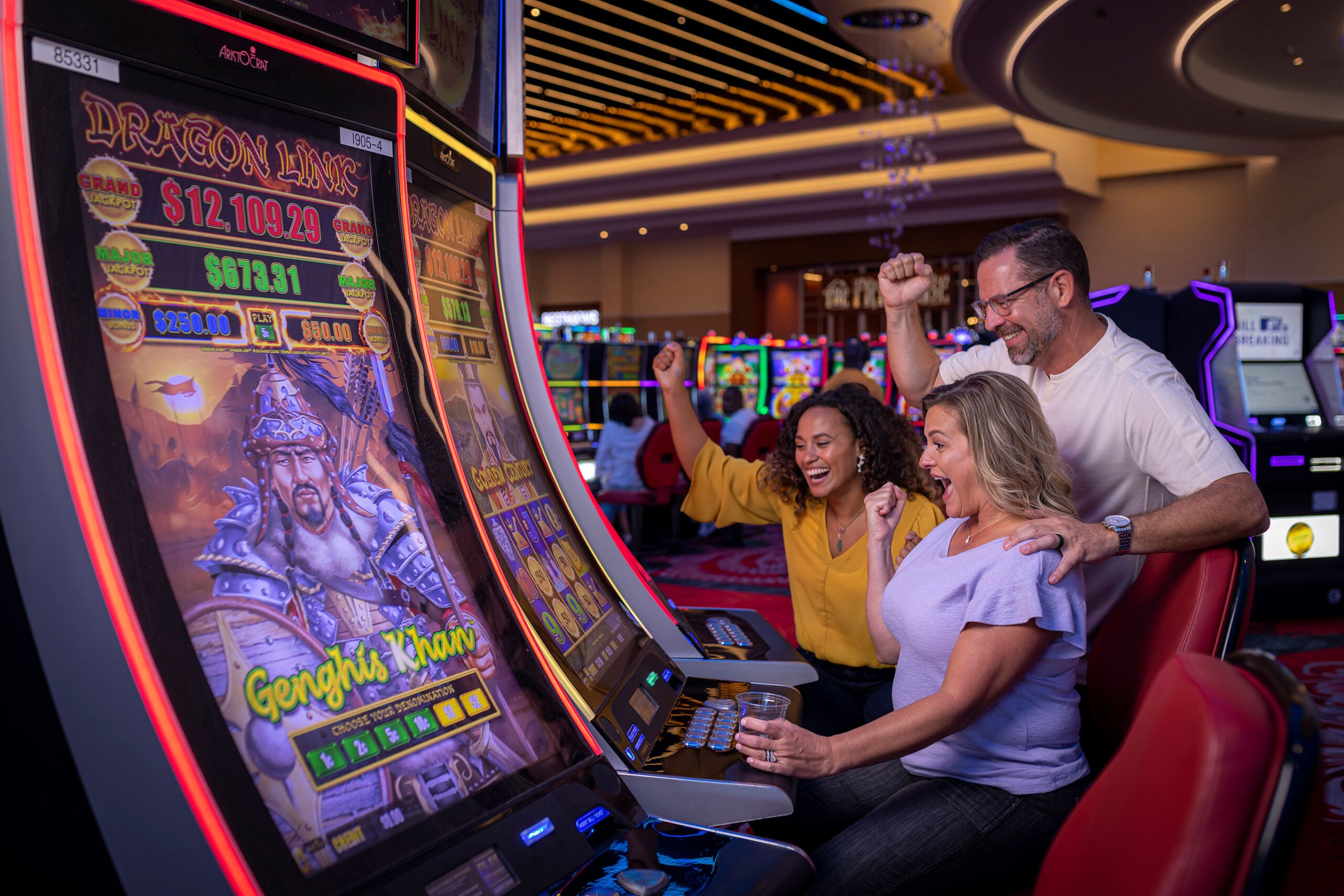
Consider slot machines, for instance. Many players believe that they can predict when a machine will pay out. In truth, these machines utilize random number generators, ensuring that each spin is unaffected by previous outcomes. Therefore, chasing a supposed lucky streak is a fallacy; what players should recognize is that sustained play will more likely lead to losses due to the inherent edge of the casino. Understanding this dynamic is vital to manage expectations while gambling.
Ultimately, acknowledging that luck is only one part of the equation allows players to focus on strategies that can enhance their experience. This includes setting budgets, knowing when to walk away, and selecting games that offer better odds. By shifting from a luck-centric mindset to one grounded in reality, players can make more informed choices that can reduce losses and extend their enjoyment of the game.
Myth of the Hot and Cold Machines
Another widespread belief in casinos is the concept of hot and cold machines. Players often think that some slot machines are ‘hot,’ meaning they will pay out frequently, while others are ‘cold’ and unlikely to do so for extended periods. This myth can lead to misguided strategies, where players chase after machines they believe to be hot or avoid others they deem cold. However, this perception is fundamentally flawed, as each spin is an independent event.
The randomness of slot machines means that previous outcomes have no bearing on future spins. For instance, if a player sees a machine that has paid out a large jackpot, they may believe it will not pay out again for a long time. Yet, mathematically, that machine is just as likely to produce another win on the next spin. Understanding this aspect of gaming ensures that players do not waste their time or money based on misconceptions, ultimately improving their overall experience.

In reality, players should focus their attention on learning the specific pay tables and return-to-player (RTP) percentages associated with each machine. By choosing games with higher RTPs, players stand a better chance of maximizing their funds, rather than getting caught up in the myth of chasing hot or cold machines. Making informed choices based on this knowledge can create a more positive and financially sensible gambling experience.
The Gambler’s Fallacy
The gambler’s fallacy is a psychological bias that leads players to believe that past independent events will influence future outcomes. For instance, a player might think that if a roulette wheel has landed on red several times in a row, black is ‘due’ to occur next. This belief can create a false sense of control and influence over outcomes that are inherently random. Acknowledging this fallacy is crucial for responsible gambling.
Game mechanics are designed to be independent of previous rounds; each spin, roll, or draw is not influenced by what came before it. Players who fall victim to the gambler’s fallacy often find themselves increasing their bets in the hope of compensating for what they perceive as a delay in a favorable outcome. This can lead to significant losses, as their strategies are not grounded in the actual probabilities of the game, but rather in flawed reasoning.
To counter the gambler’s fallacy, players should educate themselves on game strategies and outcomes, ensuring they approach each gaming session with a rational mindset. A strong understanding of probability and randomness allows players to enjoy the games more while minimizing losses associated with misconceptions. By approaching gambling in an informed manner, individuals can maintain control over their decisions, leading to a more enjoyable and responsible gambling experience.
The Role of Strategy in Casino Games
While many casino games rely on luck, there are specific games where having a strong strategy significantly enhances the chances of winning. Card games such as poker or blackjack allow players to use skill and knowledge to make informed decisions. In these games, understanding probabilities and employing strategies can be the difference between winning and losing. This underlines the importance of investing time in learning the intricacies of such games rather than succumbing to myths about luck.
For example, in blackjack, players can improve their odds significantly by employing basic strategies that dictate when to hit, stand, split, or double down based on the dealer’s upcard. Similarly, in poker, players must constantly evaluate their opponents and adapt their strategies accordingly. These tactical elements transform gambling into a more strategic pursuit, allowing those who invest effort into learning the game to compete effectively against others.
Moreover, understanding when to play optimally and when to quit is equally essential in any gaming strategy. Players should develop a clear sense of management regarding their bankroll, setting limits and adhering to them regardless of wins or losses. By embracing a strategy-focused mindset, players not only improve their chances of winning but also enhance their overall enjoyment and gambling experience.
Exploring Resources for Responsible Gaming
Many players are often unaware of the resources available to them that promote responsible gaming practices. As casinos evolve, they increasingly prioritize the wellbeing of their patrons by implementing tools and programs designed to encourage responsible gambling. These resources can include self-exclusion options, budgeting tools, and educational materials that help players navigate their gaming experiences more effectively.
Websites dedicated to gambling education often provide insights into game mechanics, odds, and strategies, helping players make informed decisions. Furthermore, organizations focused on responsible gaming offer assistance and support for those who may struggle with gambling-related issues. These resources are invaluable for promoting a healthy relationship with gambling, ensuring that individuals can enjoy the entertainment aspect without compromising their financial stability or personal wellbeing.
Ultimately, leveraging these resources helps foster a more balanced perspective on gambling, encouraging players to approach games with a clear understanding of risks and rewards. By integrating responsible gaming practices into their experience, players can enjoy the thrill of casinos while maintaining control over their gaming habits and decisions. This holistic approach to gambling not only enhances enjoyment but also safeguards against the potential pitfalls associated with excessive gambling.